Your Greenhouse Journey Starts Here

See our Four-Season Greenhouse in Action

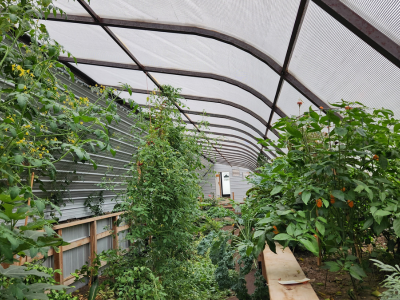
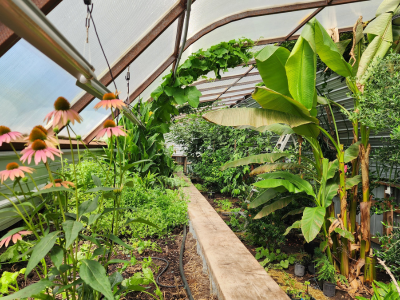
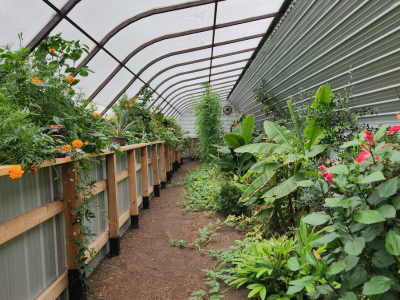
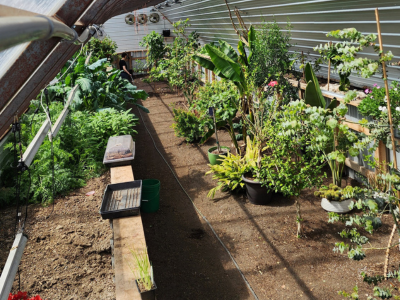
Our greenhouse in Armstrong, BC grows food 365 days a year. These photos are taken from the real thing — showing you what growing actually looks like year-round in Canada.

Book a free in-person or virtual tour and start your journey today.

Step 1: Take a Virtual or In-Person Tour
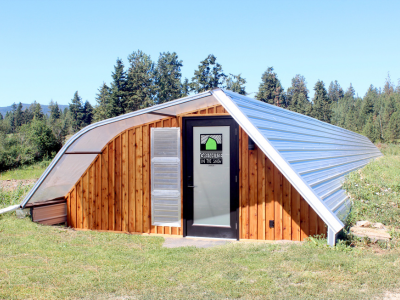
exterior view of the greenhouse in the snow in summer
interior of the greenhouse in the snow
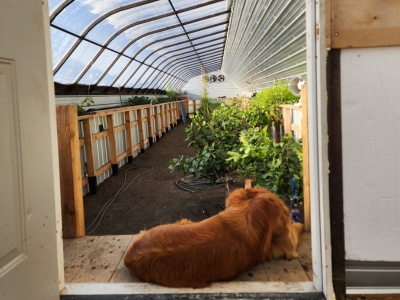
dog laying in the doorway of the greenhouse
1) Can I Book a Virtual Greenhouse Tour if I'm not Local?

Absolutely. We offer virtual tours for people who can’t make it to Armstrong in person. You’ll still get a full walkthrough, see the greenhouse in action, and have the chance to ask all your questions in real time.

2) Is the Greenhouse Tour a Sales Pitch?

Not at all. The tour is a chance for you to see the greenhouse for yourself, ask us anything you want, and get a real feel for what year-round growing looks like in a Canadian climate. There’s no pressure and no obligation. The greenhouse tour is ideal for someone who wants to see how it all works and have their greenhouse questions answered. We want to spread the word that four-season growing is possible in Canada and be helpful resources during your research phase. 

3) What Should I Bring or Prepare for the Tour?

Nothing at all! Just come curious. If you have questions brewing, feel free to jot them down ahead of time, but we will walk you through everything. Most people leave with answers they didn’t even know they needed!

Not Ready to Move Forward Yet? No Problem!
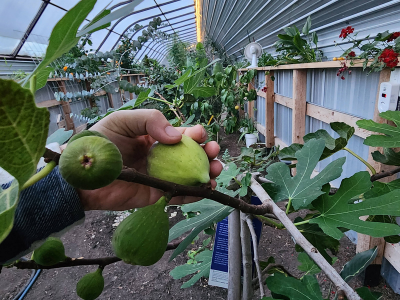
interior of the greenhouse in the winter
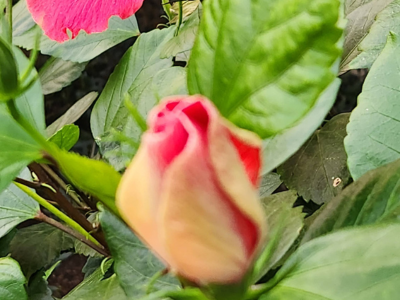
flowers blooming in the interior of the greenhouse of the snow
interior of the greenhouse in the winter
1) What If I'm Interested But Not Planning to Build for a Year or Two?

That’s completely fine, and to be honest, it’s fairly common! A greenhouse is a big decision and the planning stage is part of the process. Sign up for our newsletter to stay in the loop with growing tips, seasonal updates, and real stories from greenhouse owners. When the timing is right, we will be here.

2) Is There Anything I Can Do Now to Prepare?

Absolutely. Start thinking about placement on your property — sun exposure and orientation matter a lot for a passive solar greenhouse. Beyond that, just keep dreaming about what you’d grow! When you’re ready to move forward, we will walk you through everything else from there.

3) Will Prices or Availability Change by the Time I'm Ready?

It’s always worth reaching out before you’re fully ready so you know what to expect in terms of timelines, and to get an updated quote. We are always happy to have an early conversation (there’s no pressure), so you can plan with real numbers in mind rather than guessing.

Step 2: Getting a Greenhouse This Year? Time for A Quote!

our retriever dog with greenhouse in the snow frisbee
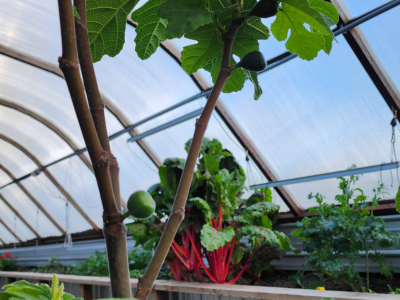
interior of the greenhouse
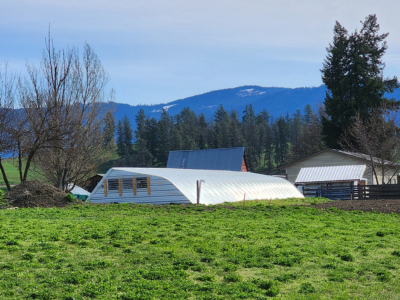
the greenhouse in the snow against the landscape
1) What Information Do I Need to Get a Quote?

Not as much as you might think. It helps to have a general sense of the size you’re considering and where on your property you’d like to build, but we will guide you through the details. You don’t need to have everything figured out before you reach out.

2) How Long Does It Take to Get A Quote?

We aim to get back to everyone within 2-3 business days! After an initial consultation where we will ask you questions to determine the right size, heating system, and shipping costs, we will put together a quote that’s specific to your situation, not a generic number off a price list.

3) Does Getting a Quote Commit Me to Anything?

Not at all. A quote is simply the next step in getting clarity on what your greenhouse would actually look like and cost. It’s a conversation, not a contract, and it’s the best way to move from “thinking about it” to “knowing what’s involved.”

Step 3: Production, Packing, And Shipping
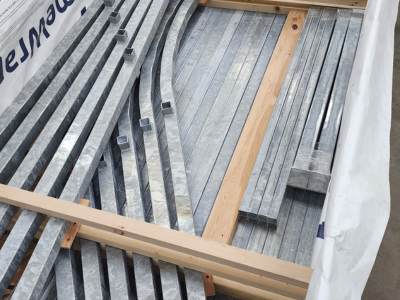
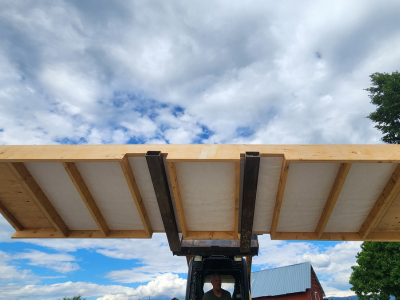
canadian steel beams packed for shipment
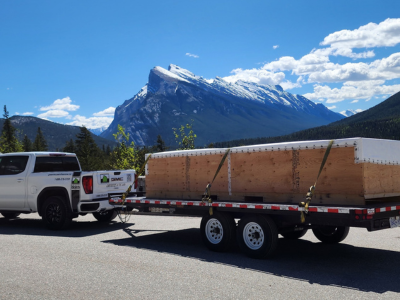
getting loaded for shipping
shipping across canada
1) How Long Does Production of the Greenhouse Take After I Place My Order?

Every greenhouse is built-to-order right here in Armstrong, BC which means that your kit isn’t sitting in a warehouse somewhere waiting to ship. Dale and our small team of pros cut, bend, weld, and galvanize the steel components ourselves, which takes time but means you’re getting a quality-controlled product made specifically for you. We will give you a realistic production timeline when your order is confirmed and deposit is paid.

2) What Does The Greenhouse Arrive in, And How is it Delivered?

Your greenhouse ships in a carefully packed crate, and we will let you know the dimensions ahead of time so you can plan for receiving it. If you’re local to Armstrong, pickup is also an option to save on shipping. You’ll be notified before it ships so you’re not caught off guard by a large delivery.

You should plan to have a clear path for the delivery truck to be able to unload the crate in your desired spot, and have appropriate equipment ready to unload it.

3) What Should I Do After My Shipment Arrives?

Inspect the shipment as soon as it arrives and flag any concerns with us right away — don’t wait. You’ll receive documentation with your order that walks you through exactly what to look for. The sooner you can get eyes on everything, the better for everyone.

Step 4: Breaking Ground

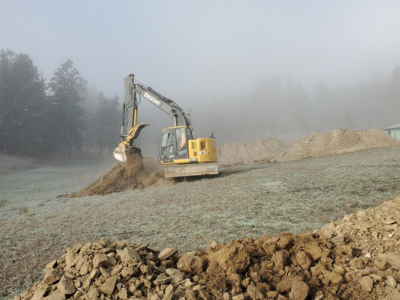
installing the greenhouse
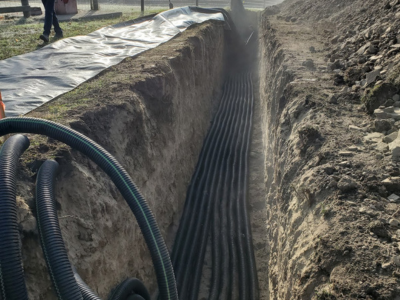
laying the liquid to air heating system
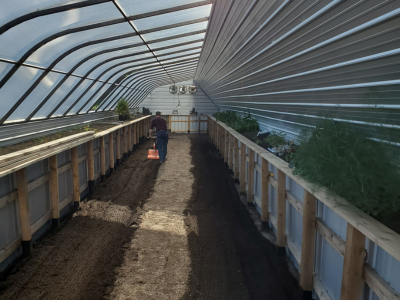
interior of the greenhouse getting prepped for planting
1) Does My Greenhouse Have to Face a Certain Direction?

Yes; south-facing is the standard orientation for a passive solar greenhouse, and it makes a big difference in performance. If you need to angle it slightly, we recommend a slight east-facing twist to capture more winter sun. Facing west is not recommended as it increases summer heat. We will walk you through the best orientation for your specific property.

2) What Foundation Option Do I Have?

There are several options: concrete piers, screw piles, drill stem, or an ICF (insulated concrete form) foundation wall. Concrete piers are typically the most cost-effective starting point, and from there it comes down to your budget, soil conditions, and site specifics. We will help you figure out what makes the most sense for your property, goals, and budget.

3) Do I Need a Building Permit?

Most customers do, and it’s something we factor into the process during our consultation right from the start. Engineering fees are included as an add-on through the quote, and the package that ships with your greenhouse includes everything needed to support a permit application. If you’re unsure whether your municipality requires one, it’s worth asking early and we can help point you in the right direction.

Step 5: Early Stages of Growing in Your Greenhouse
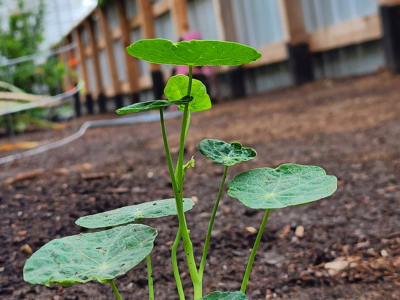
a plant starting to grow inside the greenhouse
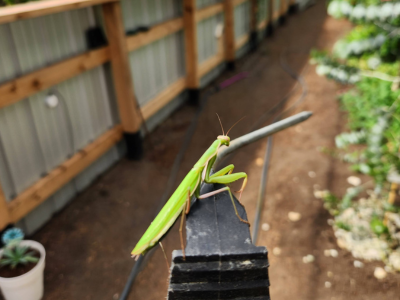
praying mantis in the greenhouse in the early stages of growing
view of the early planting stages inside the greenhouse
1) What Do I Plant First?

Starting with hardy, fast-growing crops is the best way to build confidence early. Leafy greens like lettuce, Swiss chard, and bok choy are great first choices. They’re forgiving, productive, and give you something to harvest quickly. We are happy to help you think through what makes sense for your setup, geographical location, goals, and the time of year you’re getting started.

2) How Much Time Does Maintaining the Greenhouse Actually Take?

Less than most people expect. We spend around five enjoyable hours a week on average across the full year, more in the spring when planting and pruning ramp up, and less in the winter when the greenhouse largely takes care of itself. The rhythm becomes natural pretty quickly.

3) Winter and Summer Growing Seem Really Different - How Do I Manage Both?

They are different, and that’s part of what makes a year-round greenhouse so interesting. In winter, the focus is on harvesting what’s already growing and protecting what you have — pinching rather than pulling so plants keep producing.

In spring and summer, it shifts to active planting, pruning, and succession growing to keep harvests coming. We will help you understand the seasonal rhythm so you’re not figuring it out alone.

Step 6: Growing Through the Seasons: Summer
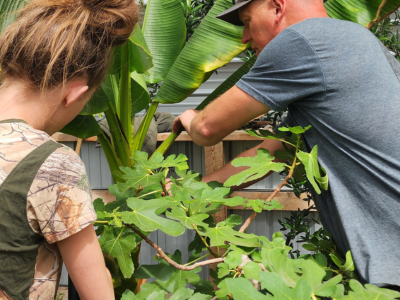
working in the greenhouse
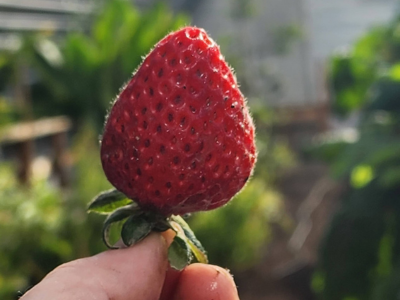
freshly picked strawberry
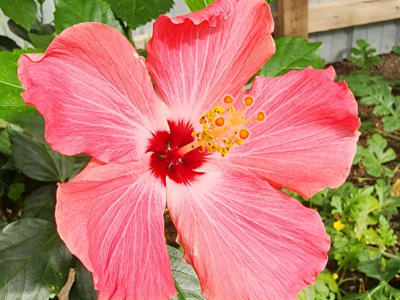
pink lilly grown in the greenhouse
1) Does The Greenhouse Get Too Hot in the Summer?

It can if it’s not managed, but it’s designed with this in mind. A shade cloth on the south-facing side helps keep temperatures at or below the ambient outdoor temperature, and exhaust fans do the rest. Once the greenhouse matures and fills with foliage, the plants themselves absorb a significant amount of heat. We have found their greenhouse actually runs cooler than outside during peak summer.

2) What Grows Well In The Greenhouse in the Summer?

Summer is when the greenhouse really produces! Cucumbers, tomatoes, and other warm-weather crops thrive, and things like fig trees and tropical varieties that need a longer growing season come into their own. Some cool-weather crops like broccoli and cauliflower will slow down in the heat — they prefer the shoulder seasons — so summer is the time to lean into what loves the warmth.

3) Should I Be Doing Anything In The Summer to Prepare for the Winter?

Yes, and it’s one of the smarter things you can do! Running the heating system through summer helps build up ground temperature. We typically aim to get the soil outside up to around 18 or 19 degrees by end of summer, which carries over as boosted heat well into fall.

It’s also the time to think about what’s climbing the structure: vines and loofahs trained up over the arches in summer provide natural shade, and when you take them down in fall, you get full passive solar gain back right when you need it most.

Step 6: Growing Through the Seasons: Fall
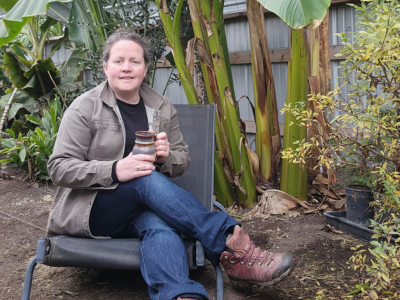
Chelsea enjoying a cup of coffee in the greenhouse
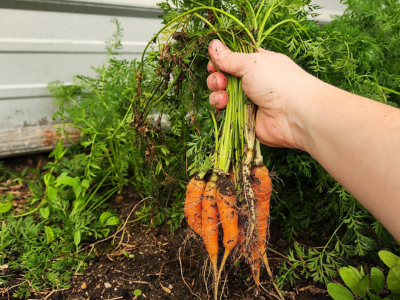
carrots harvested in the greenhouse
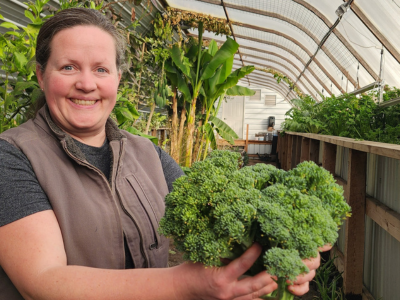
broccoli harvested in the greenhouse
1) What Should I Be Doing as the Summer Winds Down?

Fall is one of the busiest and most rewarding times in the greenhouse. It’s the season to get your winter crops in the ground — leafy greens, root vegetables, and cool-weather favourites like broccoli and cauliflower that struggled in the summer heat will start to thrive as temperatures drop. Getting things planted early in fall means you’ll have a full greenhouse going into winter rather than starting from scratch.

2) Do I Need To Make Any Changes to the Greenhouse Itself in the Fall?

A couple of things are worth doing before winter arrives. Taking down any vines or climbing plants from the arches in fall opens up the structure to full passive solar gain right when you need it most. It’s also a good time to check that any insulation around doors and end panels is in good shape to prevent cold air from creeping in on the coldest nights.

3) Can I Still Harvest in the Fall, or is Everything Winding Down?

Fall can actually be one of your best harvesting seasons! Summer crops like cucumbers can keep producing well into October or even November in the greenhouse, long after they’d be finished outside. It’s a season of overlap; you’re still pulling from summer plantings while setting up your winter crops at the same time, which means the greenhouse rarely has a quiet moment.

Step 6: Growing Through the Seasons: Winter
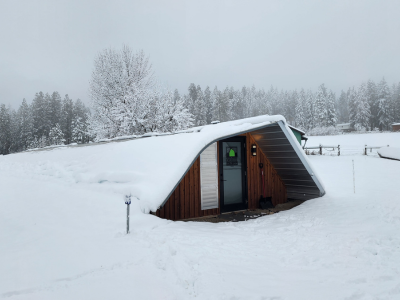
the greenhouse covered in snow
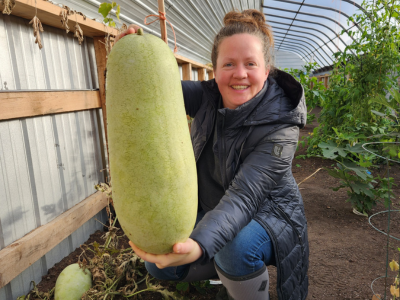
chelsea with a winter harvest in the greenhouse
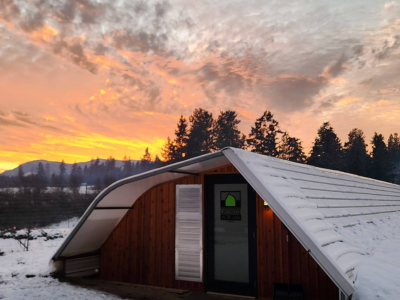
greenhouse in the winter under a beautiful orange sunset
1) Will My Plants Actually Survive a Canadian Winter?

Most will and often better than you’d expect. The year-round greenhouse design keeps the greenhouse above freezing through even the coldest nights, and a small backup heater on the coldest stretches takes care of the rest. Our coldest recorded temperature is 3.5°C, while it was -32°C outside.  The key is choosing crops that are happy at those temperatures, which we will happily help you plan for!

2) Do I Need Grow Lights in the Winter?

You don’t have to have them, but they do make a difference. Plants need around 10 to 12 hours of daylight to keep growing, and in a Canadian winter they’re not getting that naturally. Without grow lights, some crops like carrots will essentially go dormant for a couple of months rather than continuing to grow slowly.

We run ours from about 3am to 10am to top up daylight hours — they also give off a degree or two of heat at the coldest time of night, which is a bonus. It’s worth factoring the cost in when you’re planning your setup.

3) How Do I Harvest in Winter Without Killing My Plants?

Winter harvesting is all about restraint. Rather than pulling whole plants, the approach is to pinch and trim — taking what you need while leaving the plant intact to keep producing. Leafy greens like lettuce, Swiss chard, and bok choy are well suited to this, and with a bit of succession planting going into fall, you can keep fresh food coming all winter long.

Step 6: Growing Through the Seasons: Spring
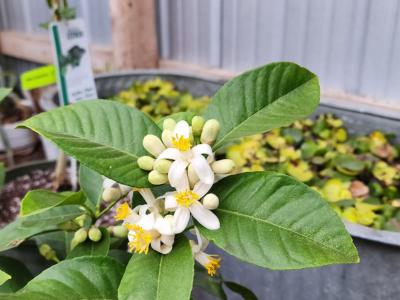
blooming plants in the greenhouse
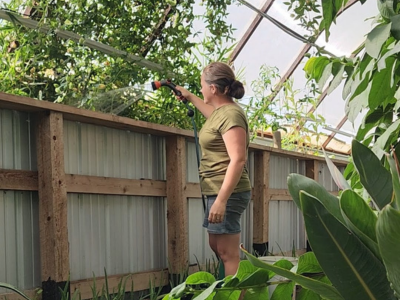
Chelsea watering the plants along the inside wall of the greenhouse in the spring
flowers blooming in the greenhouse
1) What Happens in the Greenhouse in the Spring?

Spring is the greenhouse’s busiest and most exciting season. As daylight hours increase, plants that have been growing slowly through winter suddenly take off — the growth rate is noticeably faster than anything you’d see outside. It’s the time for active pruning, replanting, and getting summer crops established. Perennial plants like fig trees get cut back to a three or four foot mark around mid-February, and from there the new growth comes in fast.

2) Will My Winter Crops Keep Producing in the Spring?

Many of them will, and the overlap is one of the best parts of the seasonal rhythm. Crops like potatoes planted in late winter will be ready to harvest in spring — well before anything in an outdoor garden.

The goal is to find a rotation that means you always have something ready to eat, and spring is when that rotation starts to feel almost effortless as the greenhouse fills back up with new growth.

3) Is Spring a Good Time to Experiment With Plants?

It’s the perfect time. With longer days, warming temperatures, and the whole growing season ahead, spring gives new plantings the best possible start. We are always trialing something new in our greenhouse and we’re happy to help you figure out what’s worth trying in yours based on your goals, your setup, and what you’re most excited to grow.

Step 7: Harvesting

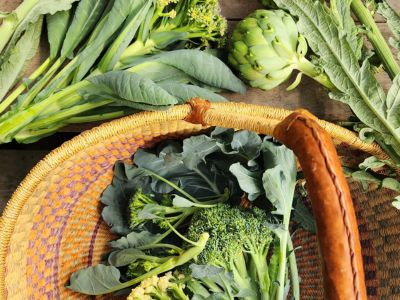
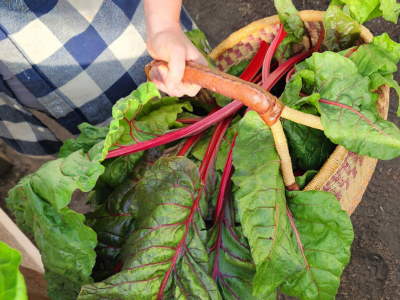
basket full of harvested vegetables from the greenhouse
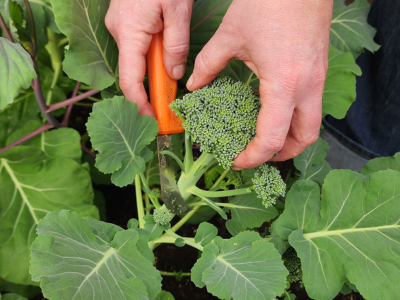
harvesting broccoli in the greenhouse
multi-coloured potatoes harvested from the greenhouse
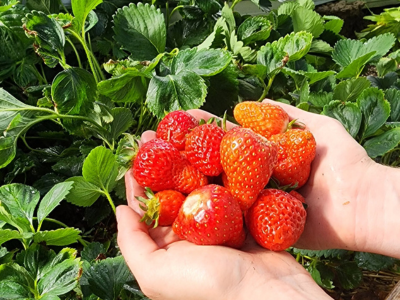
handful of strawberries harvested in the greenhouse
basket of rhubarb harvested in the greenhouse
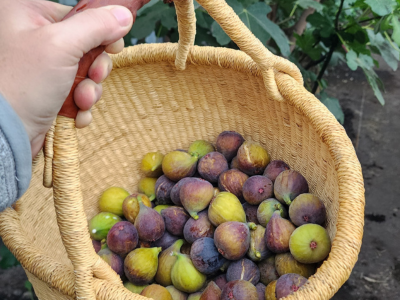
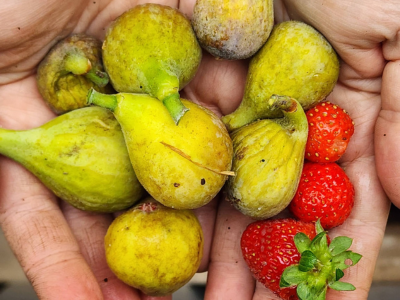
figs and strawberries harvested in the greenhouse
1) How Much Can I Reasonably Expect to Harvest?

More than most people anticipate and it tends to surprise even experienced growers. We harvest enough to eat fresh from the greenhouse year-round, give food away to friends and family, and still have surplus to preserve. The yield depends on what you plant, how you manage succession planting, and your greenhouse size, but the goal from the start is finding a rotation that means there’s always something ready to eat every month of the year.

2) What is the Best Way to Maximize What I'm Harvesting?

Succession planting is the biggest factor, seeding a new row every two weeks or so means you’re never waiting too long between harvests. Beyond that, choosing crops that keep producing rather than giving a single harvest is worth thinking about early on. Plants like celery, Swiss chard, and leafy greens lend themselves to the pinch-and-pick approach, where you take what you need and leave the plant to keep going rather than pulling it all at once.

3) What Do I Do With More Food Than I Can Eat Fresh?

That’s a good problem to have. Preserving, freezing, canning, and gifting are all part of the rhythm for most greenhouse owners — We do all of the above. The greenhouse produces enough that having a plan for your surplus is worth thinking about before you even plant. It’s one of those aspects of year-round growing that shifts how you think about food at home altogether!

Ready to Grow Your Own Food — All Year Long

Book a free tour, see a working geothermal greenhouse, and get full pricing to plan your build.